Charting Seasonal Tourism Fluctuations and Their Effects on Regulatory Adaptations for Virtual Wagering Access in Popular Destination Nations
Written by Olivia Wolf · Nov 3, 2026
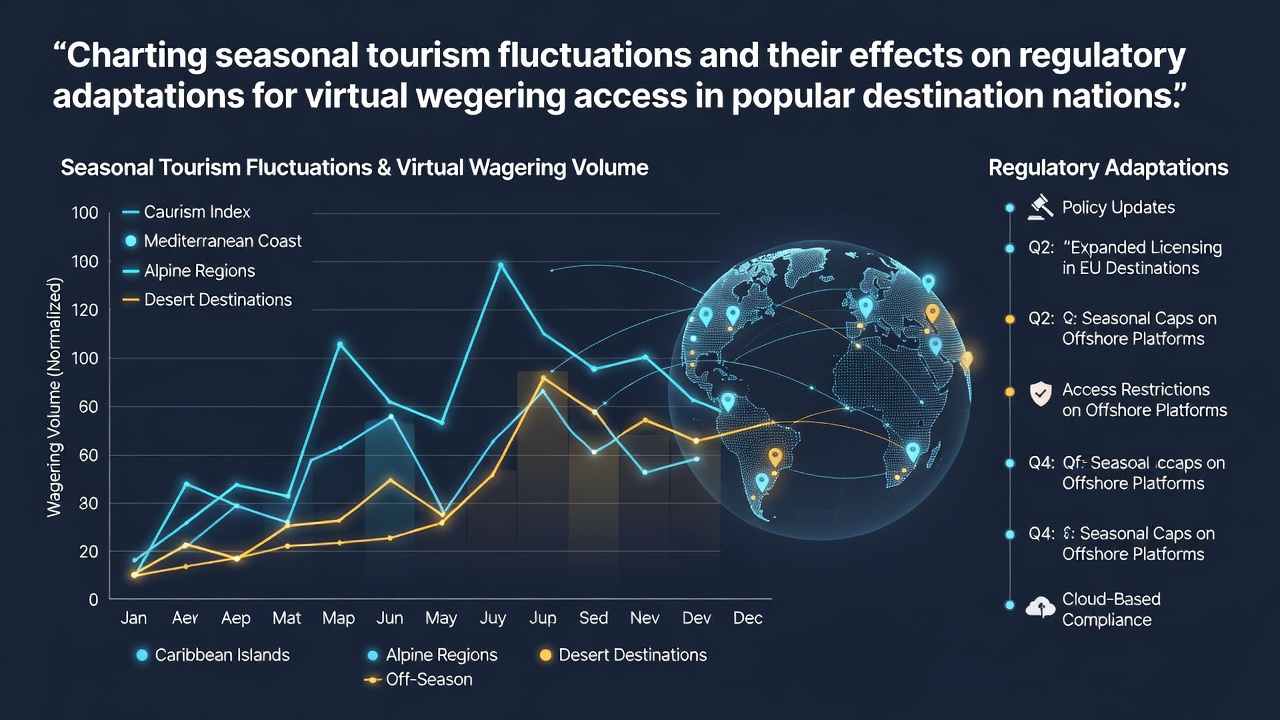
Charting Seasonal Tourism Fluctuations and Their Effects on Regulatory Adaptations for Virtual Wagering Access in Popular Destination Nations
Popular destination nations experience pronounced swings in visitor numbers tied to weather cycles, holiday schedules, and economic conditions, and these patterns prompt adjustments in how authorities manage virtual wagering platforms. Data from the United Nations World Tourism Organization shows that arrivals in coastal and resort areas often double or triple during peak months compared with off-season periods, creating pressure on digital infrastructure that supports online betting services. Regulators in places such as Australia and several Caribbean jurisdictions respond by altering licensing windows, identity verification thresholds, and geo-fencing rules to match the temporary population surges.
Winter months draw millions to warmer climates in the Caribbean and parts of Southeast Asia, while summer drives travel across the Mediterranean and North America. These shifts alter demand for virtual wagering because tourists seek entertainment options that operate independently of physical venues. Figures released by Tourism Australia indicate that international arrivals peak between December and February, coinciding with increased queries for compliant online gaming sites from temporary residents.
Documented Tourism Cycles Across Key Regions
Observers note that Australia records its strongest tourism quarters in the southern hemisphere summer, with visitor spending data from the Australian Bureau of Statistics revealing consistent rises in digital transaction volumes during those intervals. In contrast, Mediterranean nations such as Spain and Italy see their highest inflows between June and September, prompting local gaming authorities to coordinate with payment processors on seasonal capacity planning. Caribbean markets, including the Bahamas and Jamaica, attract the bulk of their guests from November through April, and regulators there have adjusted server location requirements for virtual wagering operators to accommodate cross-border traffic spikes.
November 2026 data collections showed early indicators of these recurring patterns, with preliminary tourism statistics highlighting elevated hotel occupancy rates that correlate with heightened account registrations on licensed platforms. Researchers tracking payment flows found that deposit activity on virtual wagering services often tracks hotel check-in numbers within a 48-hour lag across multiple jurisdictions.
Regulatory Adjustments Linked to Visitor Volume Changes
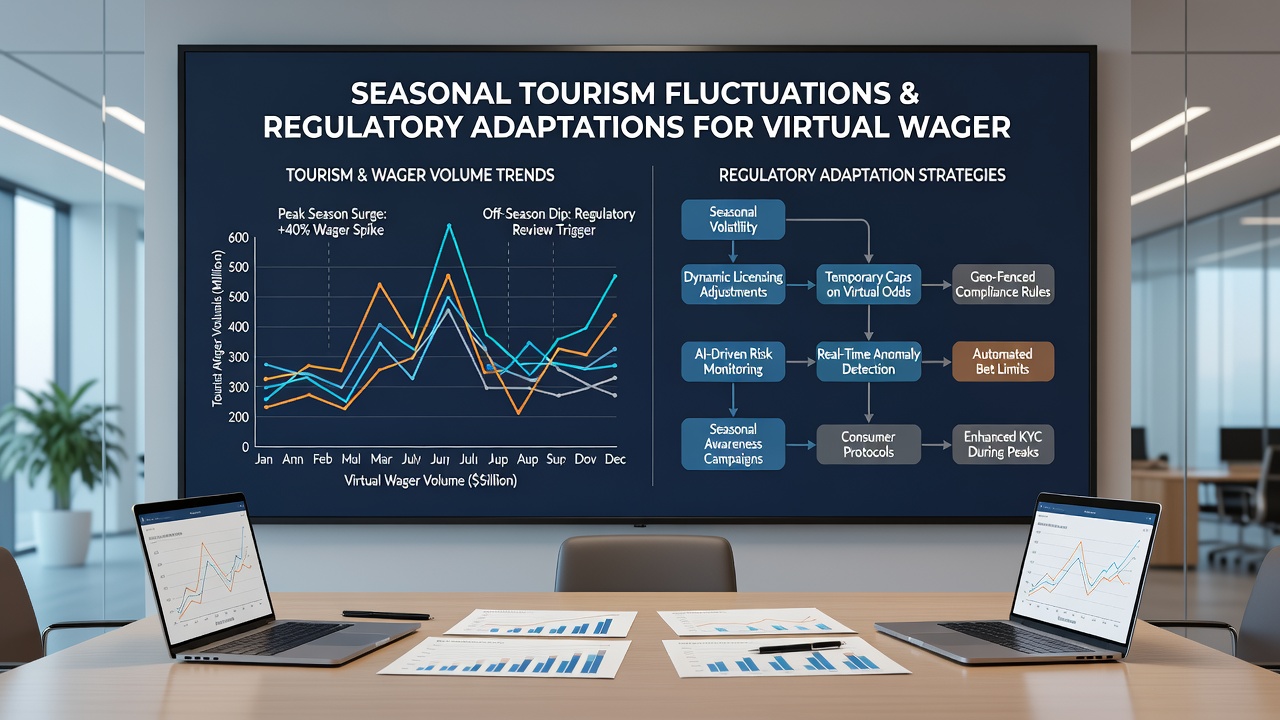
Authorities modify access protocols when tourism metrics exceed preset thresholds. In Australia, state-level commissions have introduced temporary extensions to player verification grace periods during high-arrival months, allowing operators to process accounts more rapidly while still meeting anti-money-laundering standards. Similar measures appear in Canadian provinces that host large winter visitor populations, where regulators shorten renewal cycles for temporary gaming licenses to keep pace with demand.
European destinations have tested dynamic geo-location rules that activate additional compliance layers only when tourism dashboards signal above-average arrivals. These adaptations rely on real-time data feeds from national statistics offices rather than fixed calendar dates, giving administrators flexibility when weather or economic events shift peak seasons. Industry reports from the European Gaming and Betting Association document cases where operators in Spain received expedited approval for additional server capacity during the 2025 summer surge, a process repeated in subsequent cycles.
Interactions Between Tourism Data and Compliance Frameworks
Cross-border wagering access often hinges on temporary residency declarations that regulators verify against tourism entry records. When visitor numbers climb, agencies increase automated checks that cross-reference passport scans with hotel booking databases, reducing the window for unauthorized play. Canadian and Australian regulators share technical standards through bilateral working groups, allowing each side to adopt proven seasonal safeguards without duplicating development costs.
Payment rails also receive attention during these periods. Processors handling virtual wagering transactions in high-tourism zones implement velocity limits that scale with reported visitor density, a practice described in papers from the University of Queensland Business School. Such limits prevent overload while preserving service continuity for verified users.
Conclusion
Seasonal tourism data continues to inform regulatory calendars in destination nations where virtual wagering operates under license. By aligning verification rules, licensing timelines, and infrastructure requirements with arrival statistics, authorities maintain oversight without creating permanent restrictions that would hinder legitimate use during quieter months. Continued monitoring of November 2026 trends and subsequent seasons will supply further evidence on the effectiveness of these adaptive measures across varied geographic and climatic contexts.