Mapping the Evolution of Player Protection Protocols Across Diverse Global Jurisdictions in Digital Entertainment Platforms
Written by Yves Hayes · Sep 22, 2026
Mapping the Evolution of Player Protection Protocols Across Diverse Global Jurisdictions in Digital Entertainment Platforms
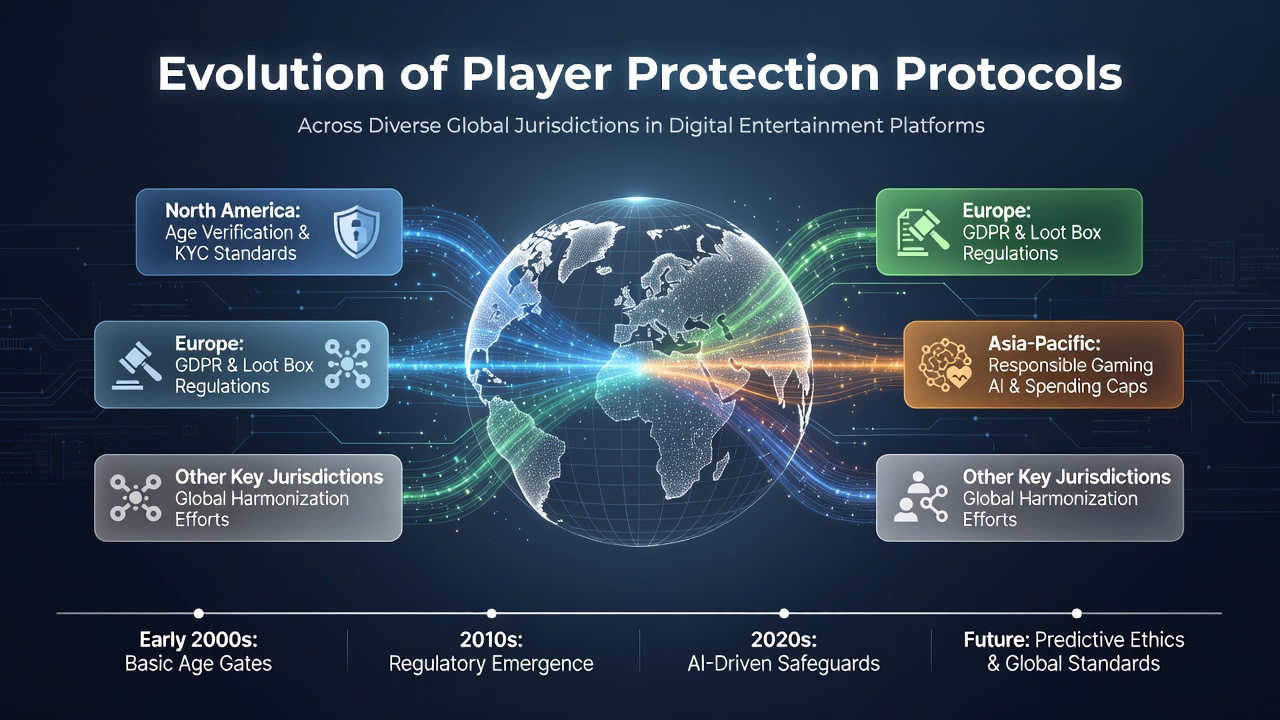
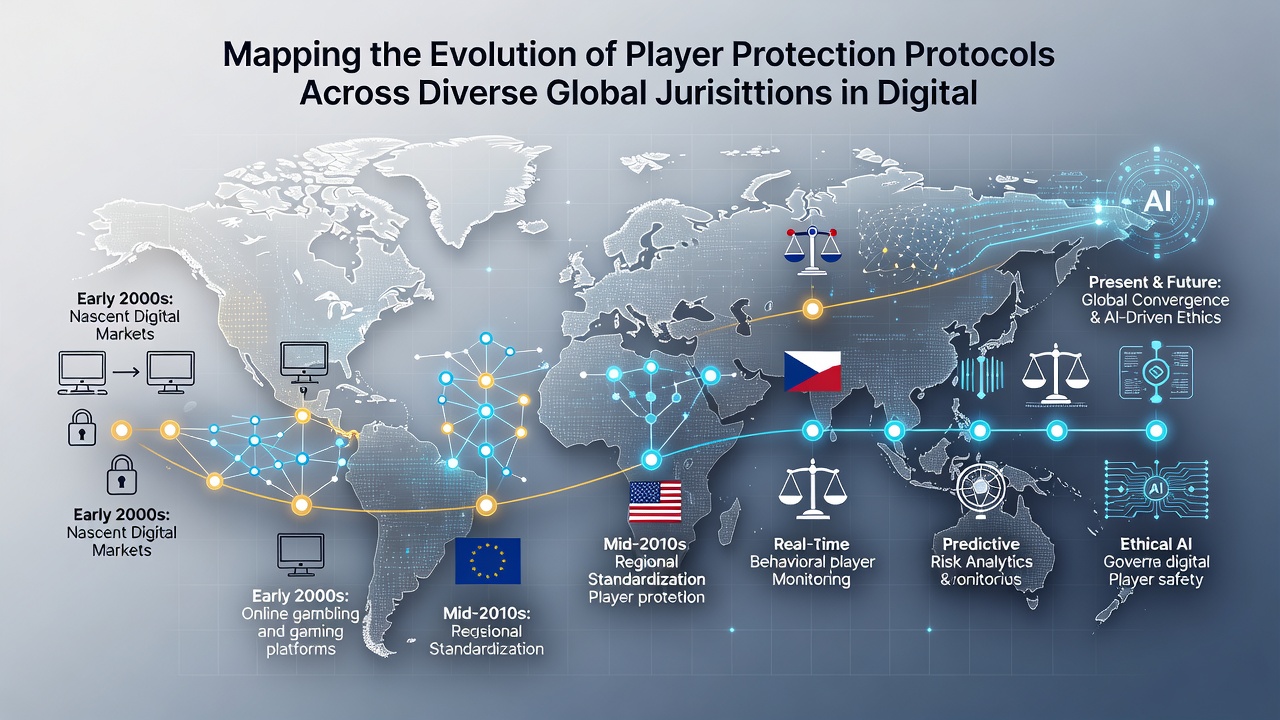
Player protection protocols in digital entertainment platforms have developed through incremental regulatory adjustments that respond to technological shifts and cross-border market growth, with jurisdictions adapting self-exclusion systems, deposit limits, and age verification tools at different paces since the early 2000s. North American regulators introduced early frameworks that focused on basic account verification, while European bodies expanded those measures to include mandatory spending caps and reality checks by the mid-2010s. Data from provincial authorities shows that Ontario's Alcohol and Gaming Commission implemented centralized self-exclusion databases in 2022 that integrated with multiple operators, allowing players to block access across licensed sites through a single registration process.
North American Regulatory Foundations
States and provinces in North America built player protection layers on top of existing land-based casino rules, and Nevada's Gaming Control Board required operators to maintain transaction monitoring systems that flag unusual betting patterns as early as 2013. Those systems later incorporated machine learning elements that identify potential harm indicators, and similar tools appeared in New Jersey and Pennsylvania by 2018. Canadian provinces followed wth tailored approaches, whereas Quebec's regulator emphasized education campaigns alongside technical controls, and British Columbia introduced time-limit reminders that interrupt extended play sessions. Observers note that these measures evolved separately rather than through unified federal standards, which created variation in enforcement timelines across the continent.
European and Asia-Pacific Adaptations
European jurisdictions incorporated player protection into broader consumer safety directives, and Malta's gaming authority required operators to offer customizable loss limits and session reminders by 2015, while Sweden mandated national self-exclusion registers that update in real time. Australian states advanced similar requirements through the National Consumer Protection Framework, which took effect in 2018 and standardized pre-commitment options for electronic gaming machines that later extended to online platforms. Research from the Australian Institute of Family Studies indicates that uptake of these tools increased after mandatory prompts were added, and regulators in Japan began testing voluntary exclusion programs for online sports betting platforms in 2024. Those programs expanded testing phases into 2025, and further refinements are scheduled for review in September 2026 as part of broader digital market legislation updates.
Integration of Technology and Cross-Jurisdictional Data Sharing
Technology integration accelerated after 2020 when several regulators adopted application programming interfaces that connect operator systems directly to government databases, and this allowed instant verification of exclusion status without manual checks. The European Gaming and Betting Association documented how such interfaces reduced processing delays in licensed markets, and Canadian operators reported similar efficiency gains after adopting shared registries. Yet implementation varied because some jurisdictions prioritized data privacy rules that limited information exchange, whereas others focused on speed of response. Academic studies from the University of Nevada's International Gaming Institute have examined these differences and found that jurisdictions with unified data protocols achieved higher compliance rates in age and identity verification compared with fragmented systems.
September 2026 Developments and Ongoing Refinements
September 2026 marks the anticipated rollout of updated reporting standards in select Australian and North American markets, where operators must submit anonymized aggregate data on player behavior patterns to regulatory portals on a quarterly basis. These standards build on earlier pilots that tested behavioral analytics without compromising individual privacy, and they aim to inform future protocol adjustments based on observed trends. Regulators in multiple regions continue to evaluate emerging tools such as AI-driven intervention prompts that activate during extended play periods, and cross-border working groups have discussed mutual recognition of self-exclusion lists to address players who access platforms licensed in different countries.
Conclusion
The evolution of player protection protocols reflects ongoing adjustments by regulators who balance technological capabilities with local legal constraints, and the result is a patchwork of requirements that continues to shift as new data becomes available. Jurisdictions that adopted centralized systems early have influenced later adopters, while regions still developing frameworks examine outcomes from established programs. Continued monitoring of these protocols through 2026 and beyond will determine how digital entertainment platforms incorporate additional safeguards while maintaining operational consistency across borders.